Choosing Fabrics That Support Health
“Nature alone cures.”
— Florence Nightingale
Low-toxic living is often discussed in terms of food, skincare, or cleaning products, yet one of the most constant and intimate exposures is frequently overlooked: clothing. Fabric sits directly against the skin for hours each day, influences how the body regulates heat and moisture, and can either support or interfere with overall comfort and health. The materials we choose matter.
Natural fibers—those derived from plants or animals—work with the body rather than against it. Cotton, linen, wool, cashmere, and silk have been used for centuries not only because they are durable and beautiful, but because they align well with human physiology. These fibers breathe, adapt to changing temperatures, and allow moisture to evaporate instead of trapping it against the skin. This supports the body’s natural thermoregulation and reduces the warm, damp conditions that often lead to irritation, odor, and discomfort.
Cotton is one of the most versatile natural fibers and forms the foundation of a low-toxic wardrobe. It is breathable, washable, and generally well tolerated by sensitive skin, making it ideal for everyday wear and items worn closest to the body such as shirts, dresses, underwear, and sleepwear. Linen, made from flax, excels in warm weather. Its open weave allows maximum airflow, helping the body stay cool in heat and humidity. Linen dries quickly, does not cling to the skin, and is best suited for spring and summer clothing in dry or breezy conditions. Its tendency to wrinkle is not a flaw but a natural characteristic of the fiber.
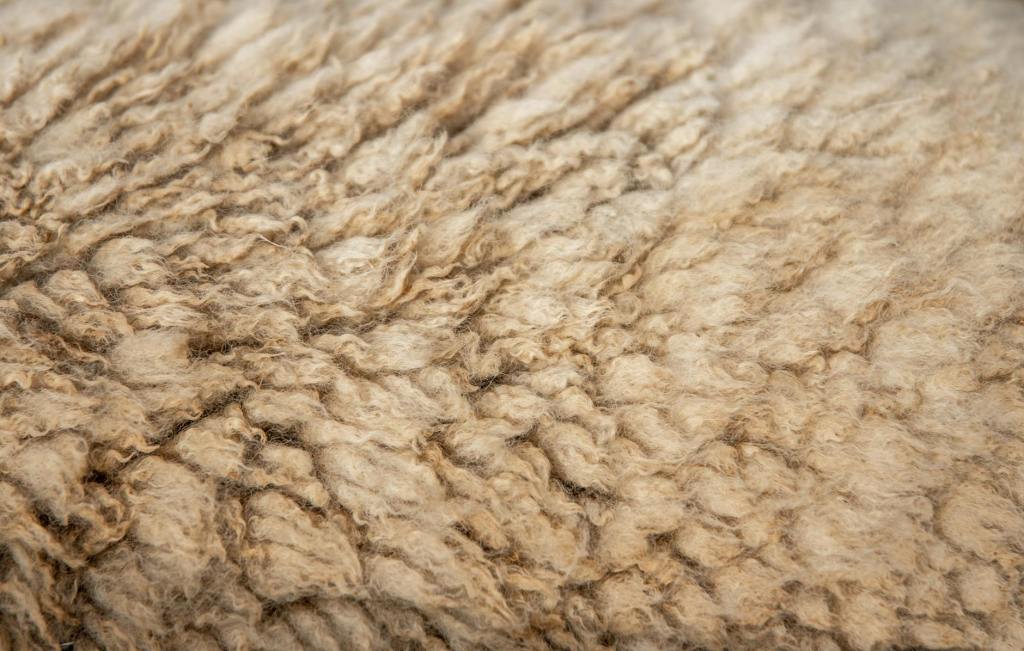
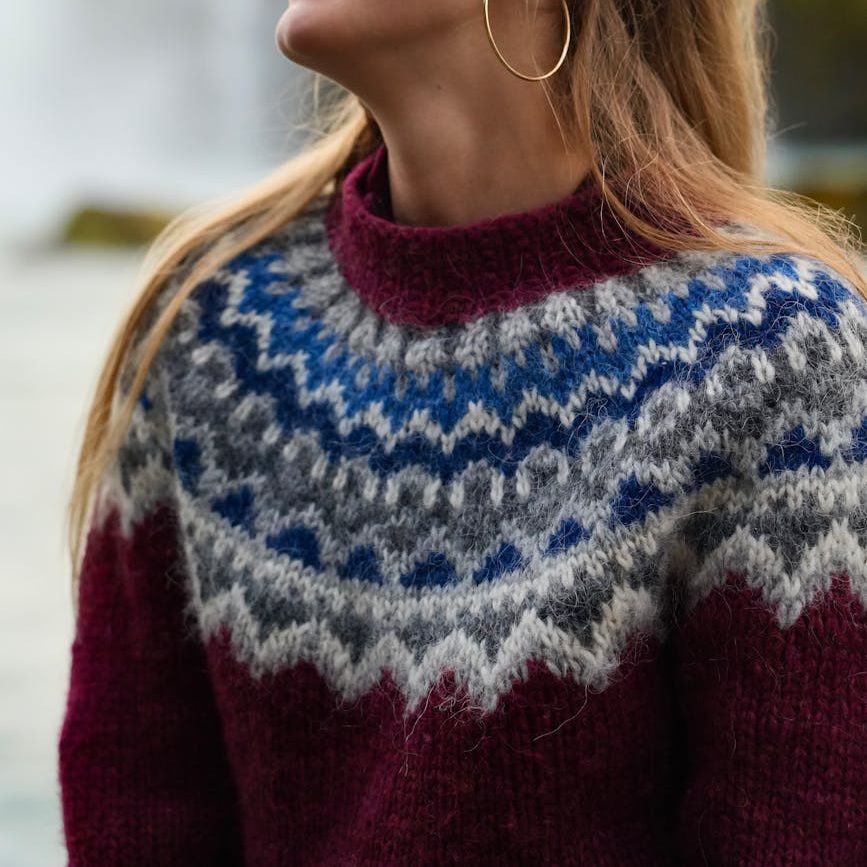
Wool is one of the most misunderstood yet valuable natural fibers. Depending on its weight and weave, wool can be worn across multiple seasons. Lighter wool works well in mild temperatures, while denser wool provides insulation in cold weather without trapping excessive heat. Wool also resists odor and can retain warmth even when slightly damp, making it especially practical for fall and winter outerwear and tailoring. Cashmere, a finer and softer type of wool, offers exceptional warmth with minimal bulk. It is best used for sweaters and layering pieces in cold, dry conditions, where its insulating properties can be appreciated without exposure to moisture that damages the fibers.
Silk occupies a unique place among natural fabrics. Though often associated with luxury, silk is also highly functional. It is lightweight, breathable, and naturally temperature-regulating, making it comfortable in mild weather and surprisingly effective as a base layer in cooler months. Silk is gentle on the skin and works well for blouses, dresses, and underlayers, provided conditions remain dry, as moisture can stain and weaken the fabric.
In contrast, many modern wardrobes rely heavily on synthetic materials such as polyester, nylon, acrylic, and spandex. These fabrics are derived from petroleum and behave more like plastic than cloth. They tend to trap heat and sweat, interfere with natural temperature regulation, and hold onto odors. Synthetic textiles are often treated with chemical finishes for wrinkle resistance, stain repellency, or performance enhancement, and these substances can remain in the fabric and sit against the skin throughout the day. Over time, this constant exposure may contribute to irritation and discomfort, particularly for those with sensitive or reactive skin.
Synthetic fabrics also shed microplastics during wear and washing, releasing microscopic fibers into the environment and water systems. While research on long-term health effects is ongoing, reducing daily contact with plastic-based textiles is a practical and reasonable step for those pursuing a lower-toxic lifestyle.
Choosing natural fibers does not require perfection or an immediate wardrobe overhaul. Low-toxic living is about intentional reduction rather than elimination. Prioritizing cotton for underlayers and sleepwear, linen for summer clothing, wool and cashmere for cooler seasons, and silk for breathable layering can significantly reduce unnecessary exposure while improving comfort and longevity. Natural fibers tend to age better, feel better over time, and support a slower, more thoughtful approach to consumption.
What we wear is not just a matter of style; it is a daily health decision. By choosing natural fibers intentionally and seasonally, we support the body’s natural processes, reduce chemical and plastic exposure, and move toward a wardrobe that aligns with both personal well-being and a more mindful way of living.

 Best For Your Nest
Leave a comment